
Mattias Ingelström is a PhD student working on the E-Charge project, which focuses on megawatt charging for trucks. The purpose of Mattias’ research is to develop a charging infrastructure for heavy transport in a systematic and scalable way, in interaction with the power grid.
Mattias, can you briefly explain what the Megawatt Charging System (MCS) is?
The Megawatt Charging System is a new charging standard for heavy-duty vehicles that, in theory, enables charging of up to 3.75 megawatts. While the standard allows for that, the strategic focus for the initial rollout is on power levels of 1 to 1.2 megawatts. This power level aligns well with the technology and usage patterns of today’s fleets.
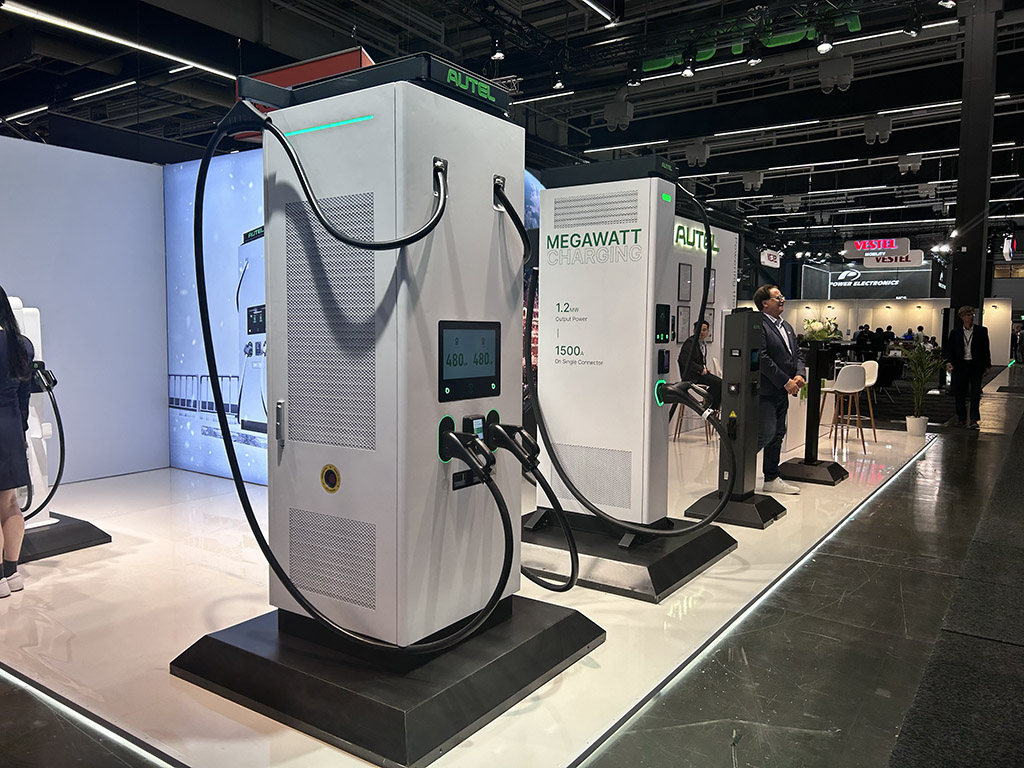
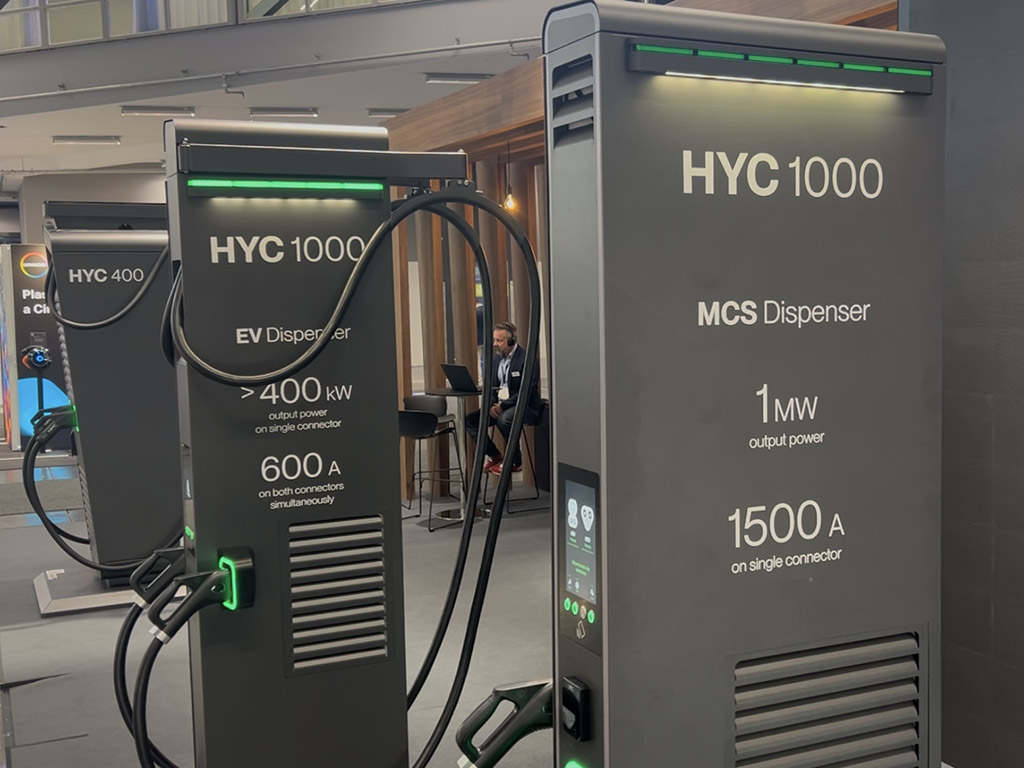
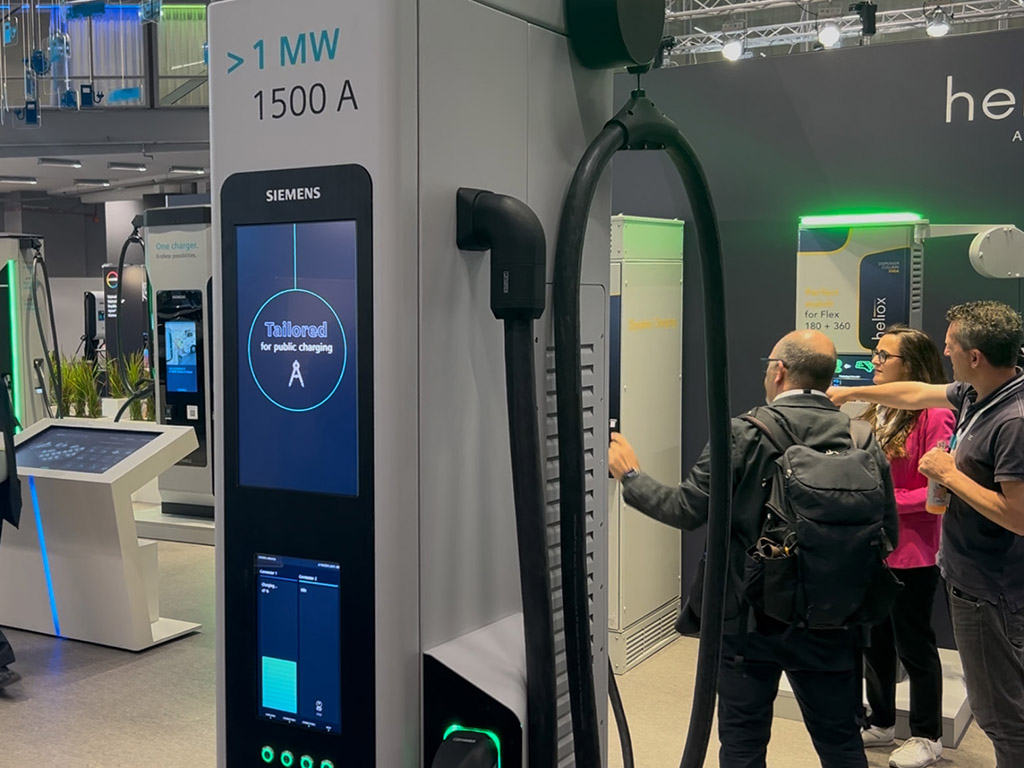
There was an increasing interest in charging infrastructure at the 2025 Electric Vehicle Symposium (EVS38) in Gothenburg, with a lot of focus on heavy-duty vehicles and megawatt charging.
Why is charging at the megawatt scale so important for the electrification of trucks?
For heavy transport, time is a crucial factor. Trucks cannot always afford to stand still for several hours to charge. If electrification is to become a realistic option for long-distance transport, having the option to access very high charging speeds along key routes is critical.
What are the biggest challenges with MCS today?
One of the biggest challenges is the connection to the power grid. We need to know where capacity exists, how much power is available, and when the power demand will occur. Grid reinforcements are an inherently slow process, so understanding the timeframe is imperative to align those upgrades with our actual infrastructure needs. Today, transparency from grid operators is often limited, which makes it difficult to plan charging infrastructure strategically.
How does the lack of data affect your research?
In my research, I focus on simulating the complex interactions between heavy transport logistics and the power grid. By modeling vehicle flows and charging profiles, we can predict exactly when and where power peaks will occur. However, without access to relevant grid data, both these analyses and simulations become less reliable. To correctly size charging stations as well as place them in the right locations, we need a detailed understanding of the power grid’s limitations. Data sharing between stakeholders is therefore crucial for accelerating electrification and making it cost-effective.
Are the challenges only about technology?
No, absolutely not. Policy instruments and economic incentives are also needed. Today, running on diesel is often cheaper from a total cost of ownership (TCO) perspective, especially for long-haul operations, even though electricity is more efficient from a system perspective. For example, a distance-based road tax or other policy measures could help create more level competition.
How has the E-Charge project developed so far?
There have been delays, partly due to revisions of the MCS standard. This has meant that some tests have had to wait. At the same time, we are now seeing real progress, including new MCS charging stations being opened in Ödeshög and Järna, for example.
What is needed for going forward?
We need more research on the impact on the power grid, better coordination between stakeholders, and increased data sharing. Electrification of heavy transport is a system-level challenge, not just a vehicle issue. Only when we start addressing the entire system simultaneously will the transition happen at the pace required.

https://portal.research.lu.se/sv/persons/mattias-ingelstr%C3%B6m/
Headline image: Shutterstock/Scharfsinn