
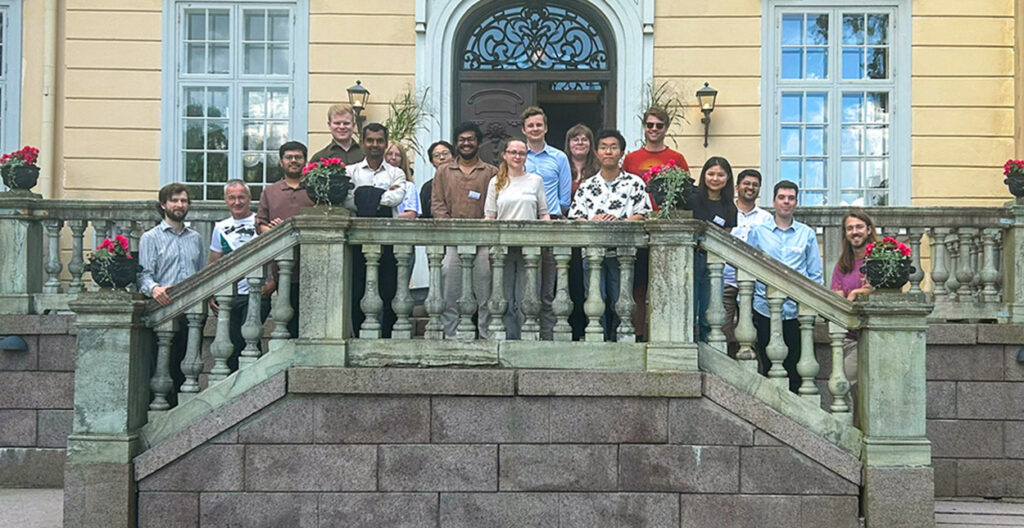
This year’s Doctoral Student Network Summer School on Components and Systems for Electromobility brought together doctoral students from across the electromobility field to explore the technologies, systems and challenges shaping the future of electrified transport.
Throughout the week, the participants moved between different levels of the electromobility system – from vehicle technologies, electronics and batteries to environmental impacts, logistics and broader system perspectives. A central theme was that the transition to electrified transport is not only about developing new technologies, but also about understanding how these technologies interact and can be implemented in complex real-world systems. For PhD student Benjamin, the structure of the programme helped connect the different perspectives.
“We started with more general vehicle-related topics and then moved into areas such as electronics and battery technology before ending with broader perspectives such as environment and logistics. Everything is related in some way. Even if it isn’t exactly what I’m working on right now, it is still connected to my PhD project and helps put my research into a larger context,” he says.
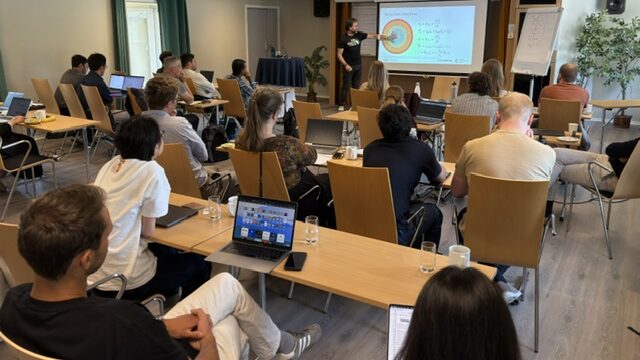
From components to the whole system
For PhD student Gabriella Grenander from VTI, one of the key takeaways from the summer school was gaining a better understanding of how the different parts of the electrification system are connected.
“It has been great to meet people working in the same field and to get a very good overview of the whole electrification system, from small components all the way up to logistics and system perspectives,” she says.
The discussions throughout the week also highlighted the importance of collaboration across disciplines, organisations and sectors. Developing new technologies is only one part of the transition. For solutions to have an impact, different actors need to understand each other’s perspectives, challenges and needs.
“What stood out to me was how important communication is between different partners. We need transport actors and energy actors in the same room, talking to each other and understanding each other’s challenges,” says Gabriella.
She also emphasises the importance of connecting research and technological development to the realities of implementation.
“We can develop excellent technical solutions, but if they are not connected to real-world conditions, they will not be implemented.”
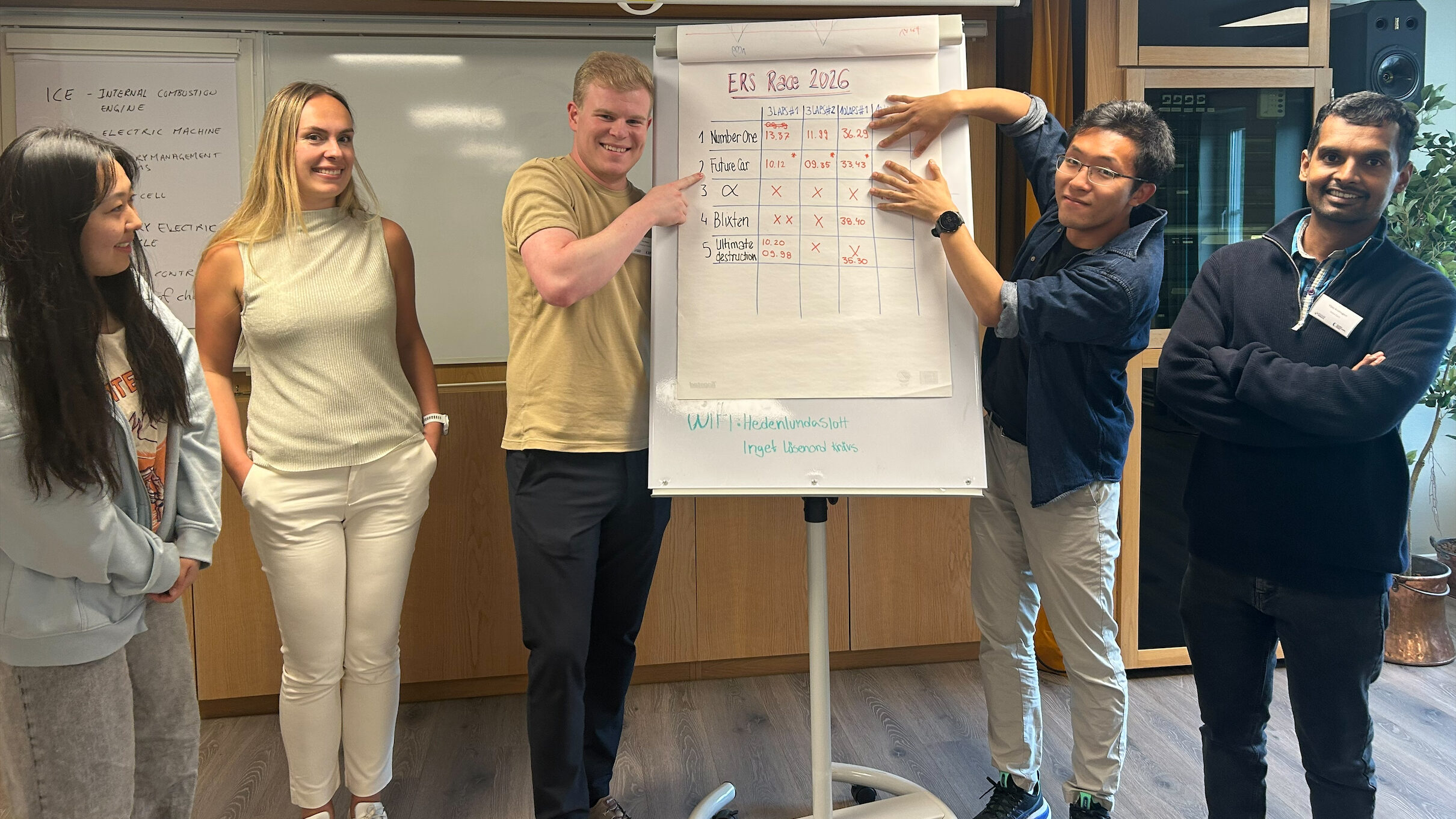
Building a network across research areas
Alongside the academic programme, the summer school provides an opportunity for doctoral students working in different parts of the electromobility field to meet, exchange experiences and build their professional networks.
For Benjamin, meeting other doctoral students was one of the highlights of the week.
“It has been fun to meet many new people and learn new things from different themes,” he says.
For Taline Sandberg Jadaan, coordinator of the Doctoral Student Network, this combination of broader perspectives and relationship-building is an important part of the purpose of the network.
“One of the main goals of the Doctoral Student Network is to give PhD students opportunities to look beyond their own research topics and understand how their work connects to the wider electromobility system. The Summer School brings together different disciplines and perspectives, but just as importantly, it creates a space for doctoral students to meet, exchange ideas and build relationships that can continue beyond the programme,” she says.